
![MachineMD_RGB_C_DarkBG[5718]](https://www.machinemd.com/hs-fs/hubfs/MachineMD_RGB_C_DarkBG%5B5718%5D.png?width=200&height=26&name=MachineMD_RGB_C_DarkBG%5B5718%5D.png "MachineMD_RGB_C_DarkBG[5718]")
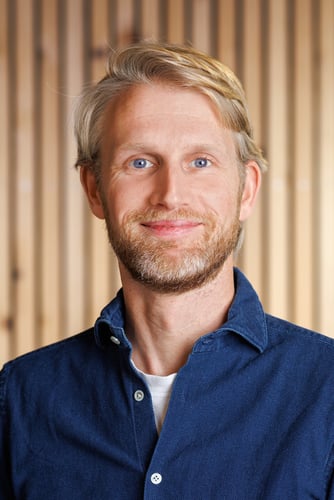 We are delighted to welcome Jeroen van Lidth de Jeude, PhD, to the machineMD team as our Principal Machine Learning Engineer. Jeroen brings a highly valuable blend of expertise from complexity science and practical applied machine learning within highly regulated environments.
Jeroen, how did you transition from complexity science to applied machine learning?
My PhD focused on algorithms for macro-financial systems—complex systems, network science, and economic modeling. I transitioned into industry to apply these concepts, working at the intersection of real estate, economics, and fintech, where I enjoyed working directly with customers to find new real-world machine learning applications.
The most critical lesson is the importance of building robust, validated models that maintain performance in practice, not just in theory. Crucially, I've gained significant experience working in regulated environments with confidential personal data, which demands strict adherence to data governance and a strong focus on Explainable AI. I like a mix of innovating through machine learning and working directly with the users.
What attracted you to shift your innovation focus from econometrics to oculometrics?
My career has consistently moved towards applied research and development. Medtech is a great example of bringing advanced applied research into the real world where it can truly make a practical difference in patient diagnostics and care pathways.
machineMD sits at the highly synergistic intersection of AI/ML and hardware innovation in a clinically meaningful application. Getting complex systems to work flawlessly and reliably in a clinical environment is the compelling challenge.
What are you most excited about starting to do at machineMD?
I'm primarily excited about expanding the use of machine learning across machineMD, working with the analytics team and clinical research partners to develop more advanced algorithms to process the complex neos data and extract deeper, actionable insights.
Machine learning excels at finding subtle patterns in complex, high-dimensional data—exactly what neos® generates. The core challenge is ensuring those patterns translate into clinically meaningful and reliable digital biomarkers. We must balance simple, human-interpretable logic with advanced techniques.
Done right, machine learning can help identify subtle, objective signals essential for early detection that would be impossible or inefficient to extract manually.
What captures your curiosity outside of work?
I've become quite a fan of cycling. I sometimes try to combine it with data science—scraping component data from websites to see what the new emerging standards are—but mostly I just try to get outside into the forest and catch some sunshine.